How to Know If You Have a Slab Leak
You think you might have a slab leak, and you want to know for sure before you call anyone or start pulling up flooring. Fair. A slab leak is water escaping from a pressurized pipe that runs under the concrete foundation of your home, and it hides for weeks before it shows itself. We run electronic leak detection across LA and Orange County every week, so this guide walks you through the exact signs we ask about on the phone, plus an honest way to tell a slab leak apart from a plain fixture leak. Graham Plumbing answers 24/7 and offers same-day service in both counties.
How do I know if I have a slab leak?
You likely have a slab leak if you are seeing two or more of these at once: a warm spot on the floor, a water bill that climbed with no change in usage, the sound of running water when everything is shut off, or new cracks in the slab or drywall. A single symptom on its own is usually something else. The combination is what points under the concrete. The surest confirmation is a water meter test, which we cover below, because it removes the guesswork.
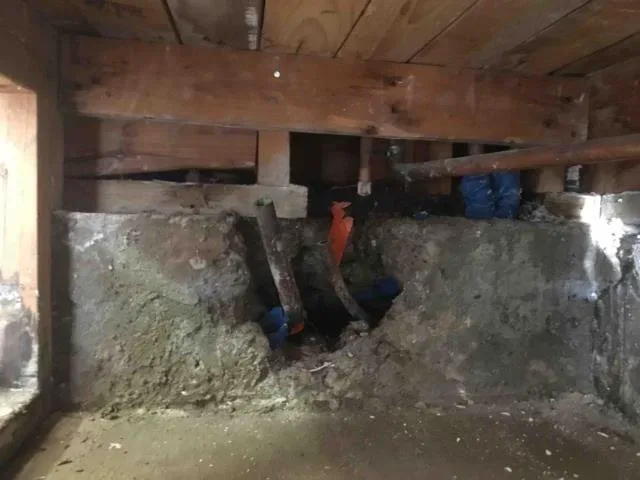
Here is the thing most homeowners miss. Slab leaks are quiet. They do not burst or flood. A pinhole in a copper line under the slab can leak for a month before the first surface sign appears, and by then the water has been tracking through the soil and the concrete the whole time. That slow, invisible run is exactly why people find them so late.
Slab leak warning signs to watch for
These are the signals we hear about most often from callers who turn out to have a real slab leak. Read them as a group, not one at a time.
- A warm spot on the floor. If one patch of your tile or hardwood is noticeably warmer than the floor around it, a hot water line under the slab has very likely failed. This is one of the most reliable early tells, and it points specifically to the hot side.
- A water bill that keeps climbing. Same household, same habits, and the bill jumps and stays up. Water is going somewhere you are not using it.
- The sound of running water with everything off. Shut off every faucet, the ice maker, the irrigation, and the washing machine. If you still hear a faint hiss or trickle inside a wall or under the floor, that is pressurized water escaping a line.
- Hairline cracks in the foundation or walls. Water moving under a slab shifts the soil and the concrete. New cracks in flooring, drywall, or baseboards concentrated in one area can be the slab responding to the leak.
- A musty smell or mold in one spot. Persistent mildew smell or mold near a single bathroom or the kitchen, with no obvious source, often traces back to moisture wicking up through the slab.
- Low water pressure. A leak below the slab bleeds off pressure before it reaches your fixtures.
The warm spot on the floor, explained
The warm spot on the floor is worth calling out on its own because it is so specific. Cold water lines leaking under a slab do not change the floor temperature in a way you would feel. A hot water line does. When heated water escapes and pools in the soil and concrete directly beneath a section of floor, that heat radiates up and you feel a distinct warm patch, sometimes in a walking path you cross every day. If you have found a warm spot you cannot explain, treat it as a hot-side slab leak until proven otherwise and get a leak detection done to find the leak without tearing up your floor.
Slab leak vs. fixture leak: how to tell the difference
This is the triage step that saves people the most money, so do not skip it. A fixture leak is water escaping somewhere you can usually reach: a toilet flapper, a supply line under a sink, a worn faucet cartridge, a water heater fitting, a hose bib. A slab leak is under the concrete, out of reach. Before you assume the worst, rule out the easy stuff.
Run this quick check yourself:
- Turn off every fixture and water-using appliance in the house.
- Find your water meter and note the reading, or watch the small flow-indicator dial.
- Wait about 30 minutes without using any water, then read it again.
- If the meter moved with everything off, water is escaping the system somewhere.
- Now isolate: shut the toilet supply valves and check the meter again. Toilets are the number one hidden fixture leak. If the meter stops moving after you isolate the toilets, your leak was a fixture, not the slab.
If the meter keeps moving after you have shut off the toilets and every visible fixture, and you have a warm spot or the sound of running water, the leak is very likely under the slab. That is the point to stop testing and call for electronic detection.
We say this because we would rather you catch a running toilet yourself than pay for a slab leak inspection you did not need. A slab leak is a real repair. A flapper is a ten-minute fix. Knowing which one you are dealing with before you call is genuinely in your interest.
When you do not need us yet
Do not schedule a slab leak inspection if a single toilet is the only thing that keeps your meter moving, or if you have one damp spot under a sink and no other symptoms. That is a fixture repair, and it is a much smaller job. Fix the obvious source first, re-run the meter test, and only escalate to slab detection if the meter still creeps with everything isolated. Guessing at a slab leak when a fixture is the real cause wastes your money and our time.
What to do when the signs point under the slab
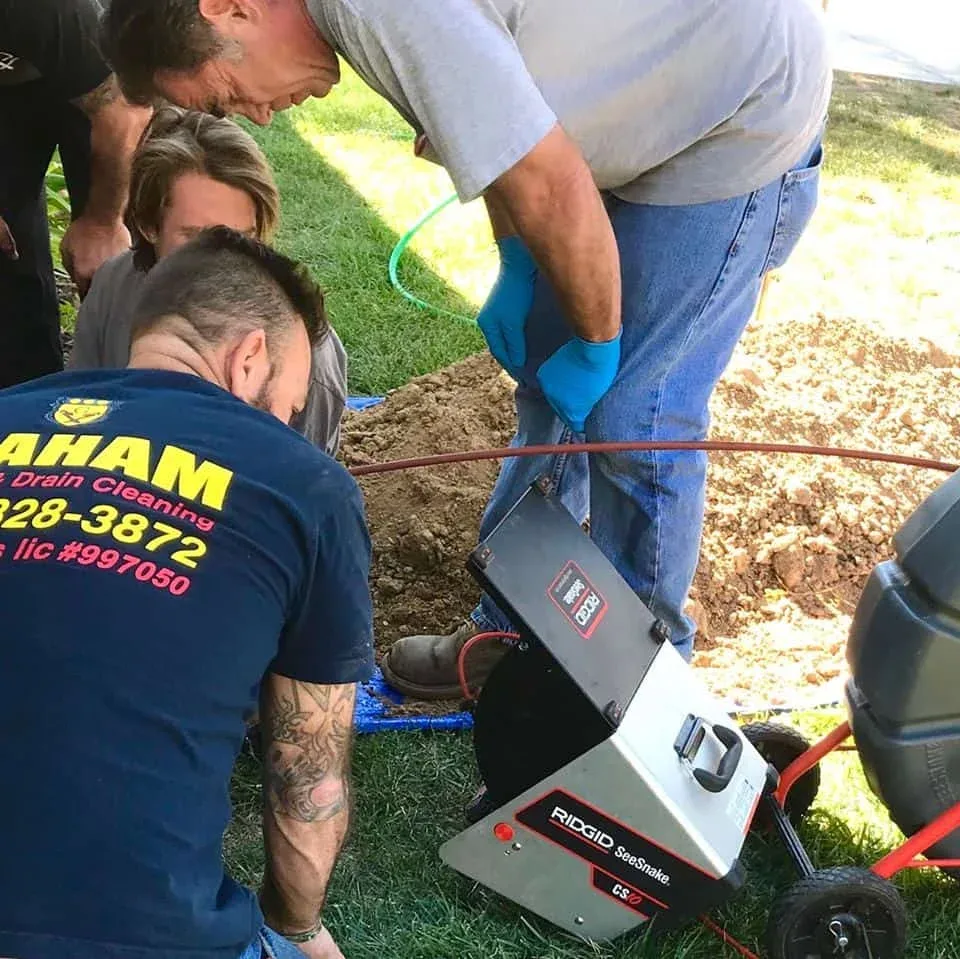
Once the meter test and the symptoms line up, the next step is finding the exact location before anyone touches your floor. We use electronic acoustic detection that listens for the signature of water escaping a pressurized line under concrete, plus thermal imaging on hot-water lines, so we can map the leak to within inches. That precision is the whole point: the less concrete we have to open, the less it costs you and the faster you are back to normal. In many cases the repair is made through a small access point or by rerouting the line above the slab, so we avoid a full slab break entirely.
If your symptoms match what you have read here, do not wait. A slab leak only gets more expensive the longer it runs. Call Graham Plumbing at (714) 367-4996 for same-day service across LA and Orange County, or request a quote online and we will follow up fast. Start with slab leak detection and repair to see exactly how we find and fix it.