Slab Leak Symptoms? Find It Before It Gets Worse
Fig. 01 — Recent work

Slab Leak Symptoms? Find It Before It Gets Worse

4.9 · 309 Google reviews Licensed & insured · CA Lic. #997050

Request an estimate

No obligation · Responds within 1 business day

Overview

Why Homeowners Choose Graham Plumbing and Drain Cleaning

A slab leak is water escaping from a pipe that runs beneath the concrete foundation of your home. The symptoms are easy to miss at first: a warm spot on the floor, a water bill that keeps climbing for no clear reason, the faint sound of running water when every fixture is off. By the time you notice visible damage, the leak has usually been active for weeks. Don't wait on this one. Call (714) 367-4996 and we'll get a technician out to you today, 24/7.

At Graham Plumbing and Drain Cleaning, we use electronic leak detection technology to pinpoint the exact location of the leak before we touch your floor. That matters because every inch of concrete we don't have to break saves you time, money, and disruption. In many cases, we can make the repair through a very small opening, or avoid cutting into the slab entirely by rerouting the line. What drives cost on a slab leak repair is how deep the pipe sits, how accessible the area is, how long the leak has been active, and whether the surrounding concrete or subflooring is already compromised. Repairs can range from a few hundred dollars for a simple access and patch to several thousand for a full reroute with significant concrete work. Every job is different. Contact Graham Plumbing and Drain Cleaning for an accurate estimate.

(714) 367-4996

Warning Signs You Have a Slab Leak

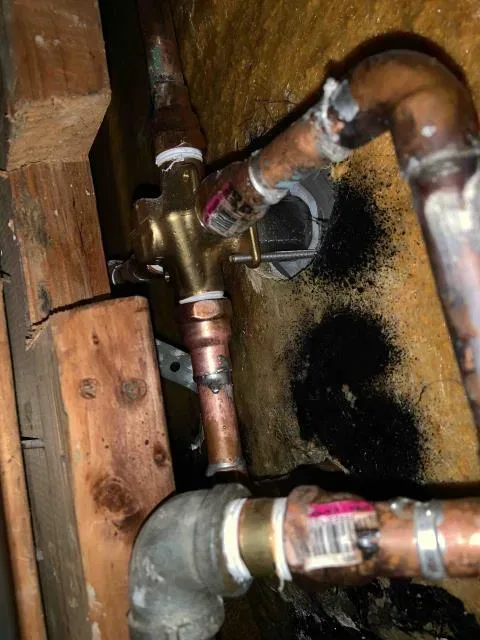
Most slab leaks don't announce themselves with a burst pipe or a flood. They're quiet, and that's what makes them dangerous. Orange County homes are heavily built on slab-on-grade foundations, which means water lines run directly under the concrete floor. When one of those lines develops a pinhole or joint failure, water seeps into the ground and the slab for weeks before you see any surface evidence. Here are the most common slab leak symptoms to watch for: a noticeable hot spot on your tile or hardwood floor, which usually means a hot water line has failed; a water meter that keeps spinning even when every faucet and appliance in the house is off; unexplained increases on your water bill; mold, mildew, or a musty smell concentrated in one area of the home, especially near a bathroom or kitchen; and visible cracking or shifting in your flooring or baseboards. If you're seeing two or more of these at the same time, don't guess. Get a proper leak detection done.

slab leak work — professional service in CA
Fig. 02 — Warning Signs You Have a Slab Leak
slab leak work — professional service in CA
Fig. 03 — How We Find the Leak Without Tearing Up Your Home

How We Find the Leak Without Tearing Up Your Home

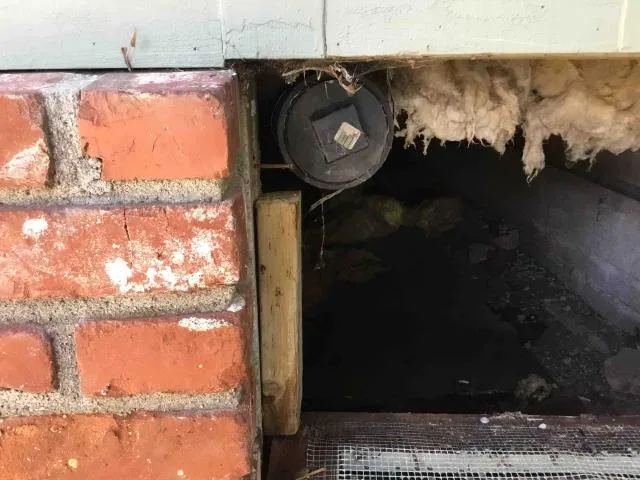
A lot of contractors will tell you the only way to find a slab leak is to start jackhammering. That's not true. We use electronic leak detection equipment that listens for the specific acoustic signature of pressurized water escaping a line beneath concrete. This lets us map the leak to within inches before we decide where, or whether, to cut. We also use thermal imaging in cases where the affected line carries hot water, since the heat differential shows up clearly on a scan. Once we've identified the exact location, we evaluate whether the repair is best handled through direct access, through a pipe reroute above the slab, or in some cases through a trenchless repair method. We won't recommend a full slab break unless it's genuinely the right call. If a reroute is cleaner and less disruptive, that's what we'll tell you, and why.

Slab Leak Repair Options

No single repair method is right for every situation. The right approach depends on where the leak is, how old the pipe is, and whether the surrounding material has already been compromised.

Fig. 03

Spot Repair

We cut a small, targeted opening in the concrete directly above the leak, fix the failed section of pipe, and patch the concrete. Best for isolated failures on otherwise good pipe.
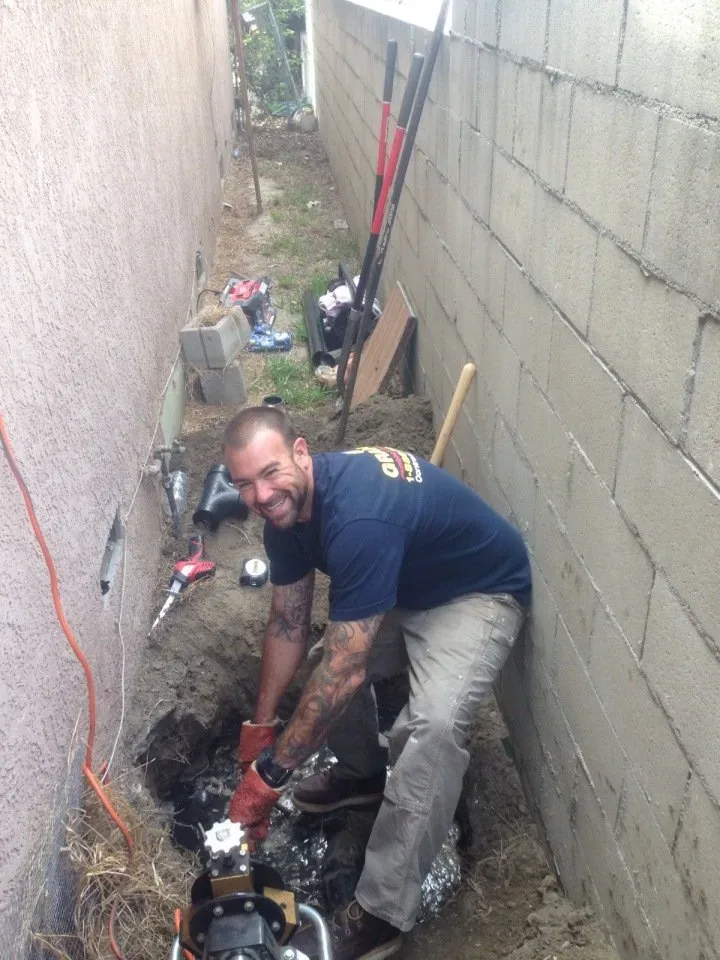
Fig. 04

Pipe Rerouting

We bypass the failed line entirely by running a new pipe through the walls or attic. No concrete cutting required. Best when the existing pipe is old and likely to fail again.

Fig. 05

Trenchless Lining

In some cases, we can line the interior of the existing pipe with an epoxy sleeve, sealing the leak without cutting into the slab at all. We'll tell you upfront if your situation qualifies.

Fig. 06

Full Repiping

If your water lines are galvanized or have repeated failures, a full copper or PEX repipe is often the more cost-effective long-term solution.

What Happens If You Ignore a Slab Leak

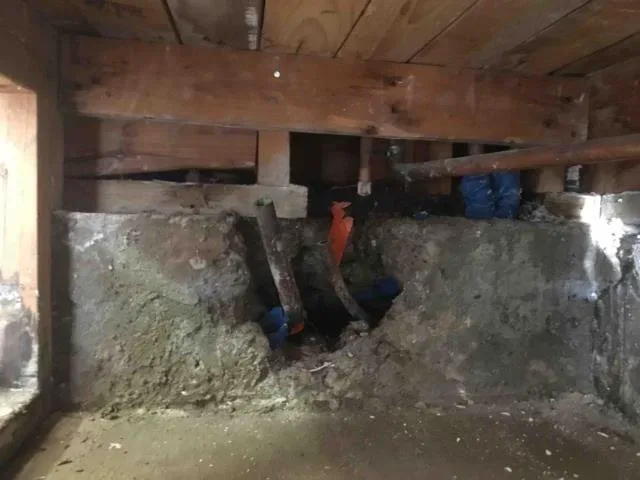
The concrete under your home is structural. When water saturates it for long enough, it causes the slab to shift and crack. That movement transfers to your walls, your doorframes, and your flooring. What starts as a plumbing problem becomes a foundation problem, and foundation problems cost far more to fix than a slab leak ever would have. There's also the mold question. Water under a slab raises the moisture level in your subfloor and lower walls. Mold establishes in 24 to 48 hours in wet conditions, and once it's behind your drywall, remediation is a separate and expensive project entirely. The honest answer is that there's no version of a slab leak that gets better on its own. The longer it runs, the worse every outcome gets. Call (714) 367-4996 and get it handled.
slab leak work — professional service in CA
Fig. 04 — What Happens If You Ignore a Slab Leak

Fast Facts: Slab Leak Detection and Repair

Here's what you need to know before you call.

Fig. 03

Detection is non-invasive

We locate the leak using acoustic and thermal equipment before we recommend any concrete work.

Fig. 04

24/7 emergency response

Active leaks don't wait for business hours. We're available around the clock for slab leak emergencies.

Fig. 05

Multiple repair methods available

Spot repair, pipe rerouting, and trenchless lining are all options depending on your specific situation.

Fig. 06

OC slab homes are high risk

Post-war tract homes throughout Orange County have aging copper lines prone to pinhole leaks from soil movement and water chemistry.

Fig. 07

Early detection saves your foundation

A leak caught early is a plumbing repair. A leak ignored becomes a structural and mold remediation project.

Get Your Slab Leak Diagnosed Today

If you're seeing slab leak symptoms, the right move is a proper electronic inspection, not a wait-and-see approach. Graham Plumbing and Drain Cleaning serves Orange County 24/7 and we can typically get a technician to you the same day. Call (714) 367-4996 or request a service call below.

Common questions

A few things people ask us regularly.
01 What happens if you have a slab leak?
Water escaping beneath your concrete foundation saturates the surrounding soil and the slab itself. Over time, that moisture causes the concrete to shift and crack, which can translate into visible damage to your walls, floors, and doorframes. Mold growth in the subfloor is a serious secondary risk. The longer a slab leak runs, the more it damages the structural and mechanical systems of the home. A leak caught early is typically a straightforward pipe repair. Left alone, it can become a foundation and remediation project.
02 Does homeowners insurance pay for slab leak?
Most standard homeowners policies cover the damage caused by a slab leak, such as flooring, drywall, and structural repairs, but they frequently exclude the cost of repairing the pipe itself. Coverage also depends on whether the leak is considered sudden and accidental versus the result of long-term neglect. We recommend calling your insurer before any work begins. We can document the leak location and cause, which helps support your claim. Every policy is different, so don't assume coverage in either direction.
03 How do they fix a slab leak?
The repair method depends on where the leak is, how old the pipe is, and how much of the line is affected. For an isolated failure, we cut a small opening directly above the leak, repair that section of pipe, and patch the concrete. If the pipe is old or the access is poor, we often reroute the line through the walls or attic to avoid breaking concrete at all. In some situations, a trenchless epoxy liner can seal the leak without cutting into the slab. We'll walk you through the options after the diagnostic.
04 How expensive is a slab leak?
Cost depends on the pipe depth, access difficulty, repair method, and whether surrounding materials like flooring or concrete are already damaged. A straightforward spot repair with minimal concrete work can cost several hundred dollars. A full pipe reroute or a situation with significant secondary damage can run several thousand. We won't know until we run a proper electronic detection and assess the access. Every job is different. Contact Graham Plumbing and Drain Cleaning for an accurate estimate.
05 Can a slab leak be fixed without breaking concrete?
Yes, in some cases. If the failed section of pipe is in an area that can be accessed through a wall or ceiling, a pipe reroute avoids concrete work entirely. If the pipe itself is structurally sound enough, an epoxy trenchless liner can seal the interior of the damaged line. These aren't always the right call, and we won't oversell them when a direct repair is cleaner. After the electronic detection, we'll tell you exactly which options apply to your situation and why.
06 What causes pinhole leaks in slab-foundation homes in Orange County?
Copper pipes in OC homes built in the 1950s through 1970s are particularly prone to pinhole leaks. The main culprits are the water chemistry in the region, which tends to be slightly aggressive to copper, and soil movement from seasonal temperature changes and seismic activity. High water pressure also accelerates wear at pipe joints and elbows. If you've had one pinhole leak in a home with original copper plumbing, it's worth having the full system evaluated for a repipe.